
+918042754158

Currently it only shows your basic business info. Start adding relevant business details such as description, images and products or services to gain your customers attention by using Boost 360 android app / iOS App / web portal.

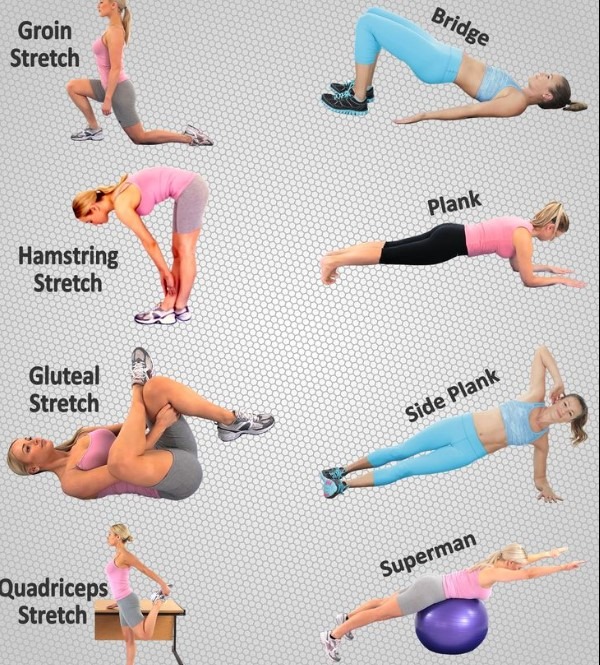
Sample 45-Minute Treatment Plan for Lower Crossed Syndrome 1️⃣ Initial Phase – Assessment & Warm-Up (5 minutes) Goal: Identify restrictions, prepare tissues for manual work • Postural observation: Check anterior pelvic tilt, lumbar lordosis, hip alignment • Palpation: Assess tone in iliopsoas, rectus femoris, erector spinae, glutes • Warm-up: o 3–5 minutes of gentle dynamic movements (pelvic tilts, cat-camel, light hip rotations) ________________________________________ 2️⃣ Manual Therapy Phase (20 minutes) Goal: Inhibit tight muscles, restore mobility Technique Area Duration Purpose Myofascial Release (MFR) Iliopsoas, rectus femoris 3–4 min each side Reduce fascial tension & improve hip mobility Deep Tissue Massage Erector spinae, quadratus lumborum 5 min total Decrease lumbar hypertonicity Trigger Point Therapy Iliopsoas, TFL 3 min each side Release trigger points causing anterior pelvic tilt Muscle Energy Technique (MET) Hip flexors & lumbar extensors 3 min Lengthen overactive muscles & balance pelvis Joint Mobilization (Grade II–III) Lumbar spine, SI joints 2–3 min Improve joint play & reduce stiffness ________________________________________ 3️⃣ Stretching & Mobility Phase (10 minutes) Goal: Maintain mobility gained through manual therapy • Active/Passive Stretching: o Hip flexor stretch (Thomas test position) – 2 sets × 30 sec each side o Lumbar extension stretch (child’s pose) – 2 sets × 30 sec o Foam rolling (optional) on hip flexors and lumbar paraspinals – 2–3 min ________________________________________ 4️⃣ Activation & Strengthening Phase (8–10 minutes) Goal: Strengthen inhibited muscles and correct motor patterns Exercise Sets/Reps Focus Glute Bridge 2 × 10–12 Activate gluteus maximus Posterior Pelvic Tilt (supine) 2 × 10 Improve pelvic control Dead Bug / Abdominal Bracing 2 × 10 Strengthen transversus abdominis Clamshells or Side-lying Hip Abduction 2 × 12 Activate gluteus medius ________________________________________ 5️⃣ Education & Home Program (2–3 minutes) Goal: Reinforce posture correction and self-management • Teach neutral pelvis awareness (standing and sitting) • Recommend daily stretches for hip flexors and core activation drills • Advise ergonomic setup (avoid prolonged sitting or anterior pelvic tilt posture) ________________________________________ ✅ Summary of Focus • Inhibit: Iliopsoas, rectus femoris, erector spinae • Facilitate: Gluteals, abdominals • Mobilize: Lumbar spine, hips • Re-educate: Postural alignment and movement control ________________________________________ Would you like me to make a progression plan (e.g., over 4 weeks) to show how this session evolves as the patient improves? You said: yes Perfect 👍 — here’s a 4-week progressive treatment plan for Lower Crossed Syndrome (LCS) designed to gradually improve mobility, strength, and posture through manual therapy and corrective exercise. ________________________________________ 🗓️ 4-Week Progression Plan for Lower Crossed Syndrome Overall Goals • Weeks 1–2: Decrease tightness, improve pelvic mobility, and restore muscle balance • Weeks 3–4: Strengthen weak muscles, reinforce posture, and integrate functional movement ________________________________________ Week 1: Release & Awareness Phase Focus: Inhibit overactive muscles and teach postural awareness Manual Therapy (20 min): • Myofascial Release (iliopsoas, rectus femoris, lumbar fascia) • Deep tissue massage (erector spinae, QL) • MET for hip flexors • Lumbar & SI joint mobilizations (Grade II–III) Stretching (10 min): • Hip flexor stretch – 2×30 sec each • Child’s pose / lumbar flexion stretch – 2×30 sec • Supine hamstring stretch – 2×30 sec Activation (10–12 min): • Posterior pelvic tilts – 2×10 • Glute bridge (basic) – 2×10 • Abdominal bracing (supine) – 2×10 Education: • Sitting posture correction • Home stretching: hip flexors, lower back ________________________________________ Week 2: Balance & Activation Phase Focus: Continue releases; increase core and glute engagement Manual Therapy (15–20 min): • MFR and trigger point therapy (iliopsoas, TFL) • MET for lumbar extensors • Gentle SI joint mobilizations Stretching (10 min): • Hip flexor stretch + quadriceps stretch – 2×30 sec • Cat-camel mobility – 10 reps • Lumbar rotation stretch – 2×30 sec Activation (12–15 min): • Glute bridge (add band) – 2×12 • Dead bug (slow controlled) – 2×10 • Clamshells / side-lying abduction – 2×12 • Standing pelvic tilt control drills – 2×10 Education: • Avoid excessive lumbar lordosis when standing • Daily mobility and short glute activation breaks ________________________________________ Week 3: Strength & Stability Phase Focus: Strengthen glutes and core; improve dynamic stability Manual Therapy (10–15 min): • Spot releases for residual tightness (iliopsoas, erector spinae) • MET as needed Mobility (5–10 min): • Dynamic hip openers • Foam rolling (hip flexors, quads, lumbar area) Strengthening (20–25 min): • Glute bridge (single-leg progression) – 2×10 each side • Bird-dog – 2×10 • Plank (with pelvic control) – 2×30 sec • Step-ups or mini-squats (focus on neutral pelvis) – 2×10 • Resistance band walks – 2×10 m Education: • Reinforce neutral spine in lifting and sitting • Encourage moderate physical activity (e.g., walking, light resistance training) ________________________________________ Week 4: Integration & Function Phase Focus: Maintain mobility and integrate proper movement patterns into daily life Manual Therapy (10–15 min): • Quick review & maintenance work on tight tissues • MET for residual asymmetry Functional Strengthening (25–30 min): • Deadlift pattern training (light load or stick) – 3×10 • Hip thrusts / bridge with resistance – 3×12 • Lateral band walks – 2×15 m • Plank with leg lift – 2×30 sec • Standing core stabilization (Pallof press) – 2×10 Mobility (5–10 min): • Continue hip flexor, lumbar, and hamstring stretches • Add yoga-inspired flow (low lunge → hamstring stretch → child’s pose) Education & Maintenance: • Emphasize lifelong posture awareness • Home program: 10–15 min daily corrective exercise routine • Reassess pelvic tilt, flexibility, and core strength ________________________________________ ✅ Expected Outcomes After 4 Weeks • Reduced anterior pelvic tilt • Decreased lumbar tightness and discomfort • Improved hip extension and glute activation • Better postural control in standing and sitting LOWER CROSSED SYNDROME 4-WEEK CORRECTIVE PROGRAM Frequency: 3–4 sessions per week Duration: ~20–30 minutes per session Equipment: Mat, resistance band (optional), light dumbbells (optional) ________________________________________ WEEK 1 – Awareness & Mobility Goal: Release tight muscles, build awareness of pelvic position, start gentle activation. Phase Exercise Sets x Reps / Time Focus Release / Stretch Foam roll quads & hip flexors 1–2 min per leg Slow rolls Half-kneeling hip flexor stretch 2 x 30s/side Glutes engaged, neutral spine Cat-Cow stretch 2 x 10 Controlled spinal motion Activation Glute bridge 3 x 12 Posterior pelvic tilt at top Dead bug 3 x 8 Keep low back flat Bird dog 2 x 8/side Stability & coordination Integration Pelvic tilt practice 3 x 10 Learn control Bodyweight squat (slow) 2 x 10 Maintain neutral spine Daily habit: 2–3 minutes hip flexor stretch, posture check when sitting. ________________________________________ WEEK 2 – Activation & Core Control Goal: Strengthen glutes and deep core; continue mobility work. Phase Exercise Sets x Reps / Time Focus Stretch Hip flexor stretch 2 x 30s/side Add arm reach overhead Lumbar stretch (child’s pose) 2 x 30s Relax spine Strengthen / Activate Glute bridge with march 3 x 12 Alternate legs Dead bug (progressed) 3 x 10 Extend opposite limbs Bird dog with hold 3 x 8/side (3s hold) Control Integration Hip hinge (dowel) 3 x 10 Flat back, hinge at hips Bodyweight squat 3 x 12 Push through heels Add-on: Gentle plank – 3 x 20s if tolerated. ________________________________________ WEEK 3 – Strength Building Goal: Build endurance and strength in weak muscles; integrate more functional moves. Phase Exercise Sets x Reps / Time Focus Stretch Hip flexor + TFL stretch 2 x 30s/side Continue daily mobility Cat-Cow / Child’s pose 2 x 10 Control Strengthen / Activate Hip thrust or single-leg glute bridge 3 x 10–12 Glute focus Plank (front) 3 x 30s Core stability Bird dog 3 x 10/side Controlled movement Integration Goblet squat (light weight) 3 x 10 Neutral spine Reverse lunge 3 x 10/side Maintain core engagement ________________________________________ WEEK 4 – Integration & Maintenance Goal: Solidify new posture, functional stability, and proper hip mechanics. Phase Exercise Sets x Reps / Time Focus Stretch Hip flexor + quad + TFL stretches 2–3 x 30s Maintain mobility Strengthen / Activate Single-leg bridge 3 x 12/side Glute stability Plank with leg lift 3 x 20–30s Anti-extension control Dead bug (full extension) 3 x 10 Maintain flat back Integration Bodyweight or goblet squats 3 x 12 Posterior chain drive Hip hinge to mini deadlift 3 x 10 Controlled form Daily posture check: Engage core + glutes while standing, avoid anterior tilt. ________________________________________ 🧭 PROGRESSION TIPS • Increase hold times or resistance gradually (not reps beyond 15–20). • Prioritize quality over quantity — focus on pelvic control and spinal alignment. • Continue mobility drills daily, even on rest days. • Once control improves, integrate into functional training (squats, deadlifts, running form, etc.).


